
EXHIBITION
Living courtyard at Biennale di Venezia 2021
2020-2021
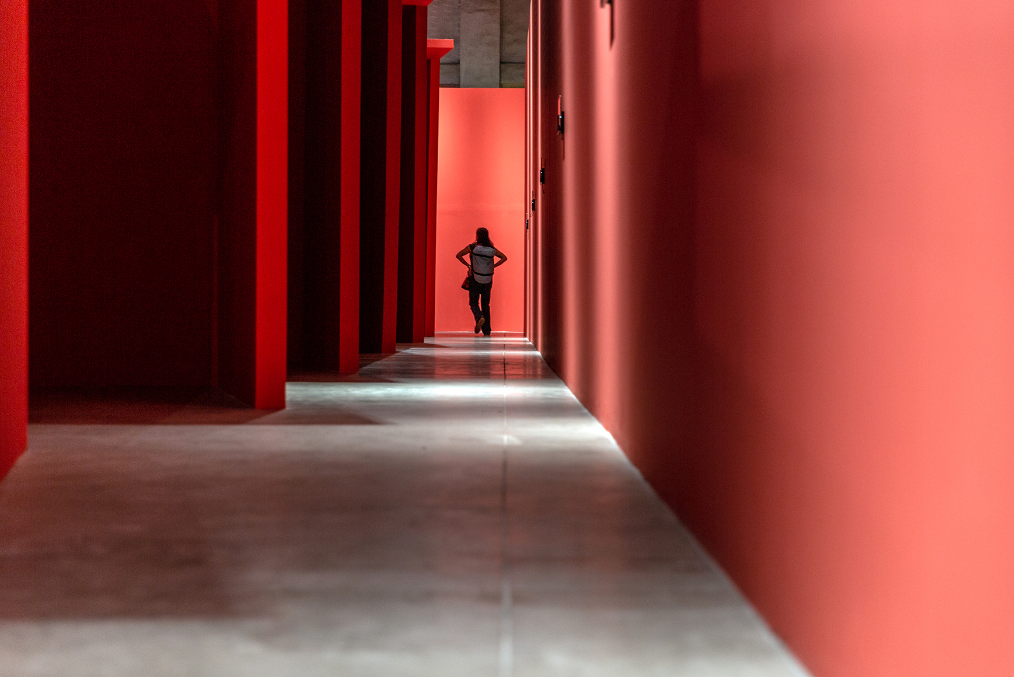
The 2020 Biennale di Venezia has been significantly impacted by the COVID-19 pandemic, being later postponed to 2021. Within this global framework, the curatorial team for the Chinese Pavilion, led by Prof. Zhang Li, Dean of the School of Architecture – Tsinghua University, did not have the chance to move to Europe to fulfill its construction. Their proposal, “Yuan-er, a courtyard-ology: from the mega to the micro”, specifically entitled to investigate the socio-spatial role of the courtyard typology at urban and building scale, struggled with its on-site development due to logistics and overseas flight con-straints, therefore requiring external support and design supervision.
CREDITS:
INSTALLATION AND ON-SITE SUPERVISION
Period: 2020-2021
Venue: Chinese Pavillion, Giardini della Biennale, Venice, Italy
Developed for: Chinese Pavillion, Biennale di Venezia 2021
In collaboration with: Atelier TeamMinus
CHINESE PAVILLION
Chief Curator: Zhang Li – TeamMinus
On-site Supervision: Michele Bonino, Edoardo Bruno, Marta Mancini
Collaborators: Ahmed Mansouri, Ottavia Valz Gris, Xiang Zhang, Ziyue Yu
Shougang Living-Courtyard Installation: Michele Bonino, Edoardo Bruno, Camilla Forina, Giorgia Greco, Marta Mancini
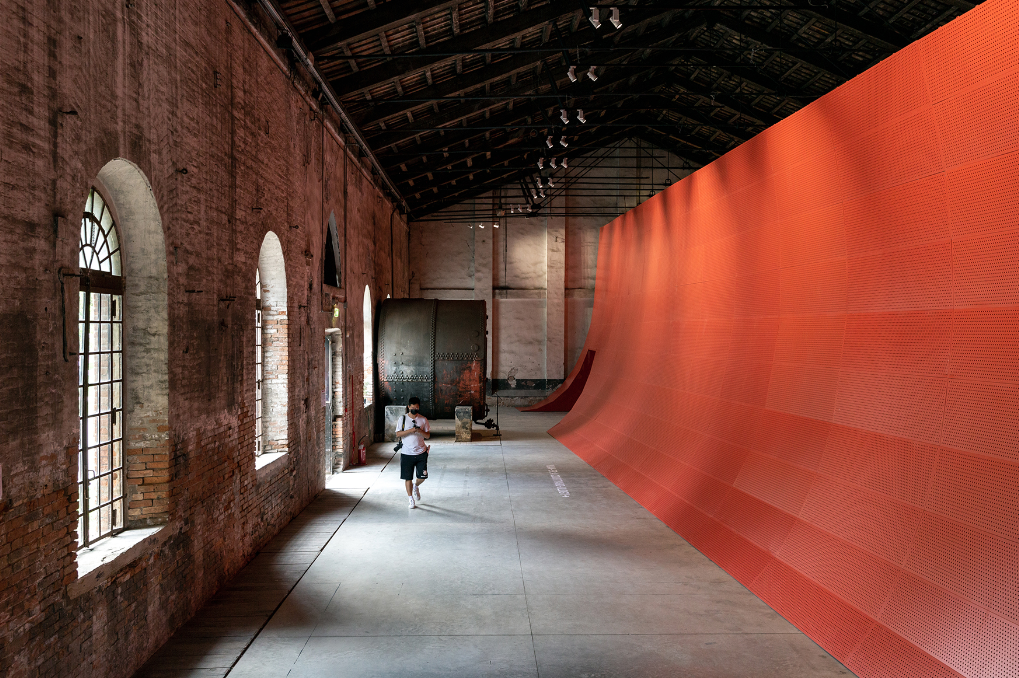
The 2020 Biennale di Venezia was significantly impacted by the COVID-19 pandemic, being later postponed to 2021. Within this global framework, the curatorial team for the Chinese Pavilion, led by Prof. Zhang Li, Dean of the School of Architecture – Tsinghua University, did not have the chance to move to Europe to fulfill its construction. Their proposal, “Yuan-er, a courtyard-ology: from the mega to the micro”, specifically entitled to investigate the socio-spatial role of the courtyard typology at urban and building scale, struggled with its on-site development due to logistics and overseas flight constraints, therefore requiring external support and design supervision. Under these circumstances, in 2021, China Room has been asked to support the curatorial team with a local implementation, supervising the construction process at the Arsenale.
For this specific task, a dedicated team of researchers, Ph.D. and master students was organized, considering their past experiences in the research of Chinese urbanism, public exhibition management (i.e., Eyes of the City Shenzhen Biennale in 2018-19 and Beijing Design Week 2018), executive design and asbuilt reporting.
Besides this role, the China Room also exhibited an in-depth analysis of its project developed for the Shougang Winter Olympic venue: where the main objective was to investigate how the single building hosted, within its tectonic, spatial arrangements connotated by urban significances, sequences where user interactions are linked to heterogenous courtyards.
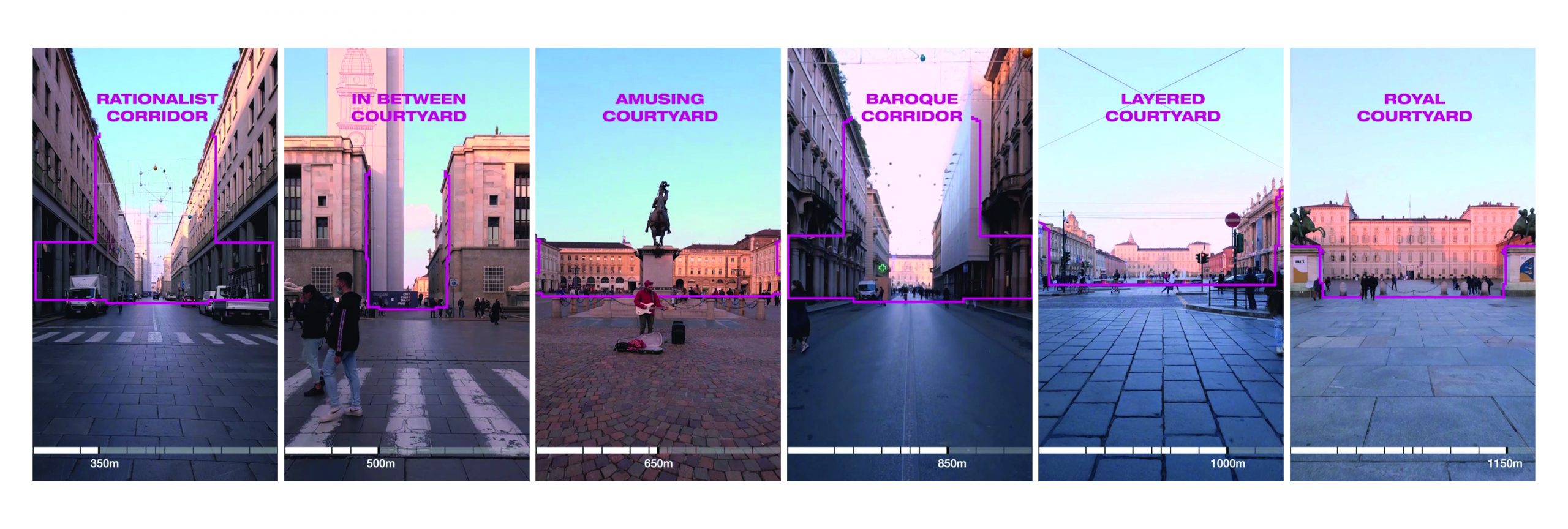
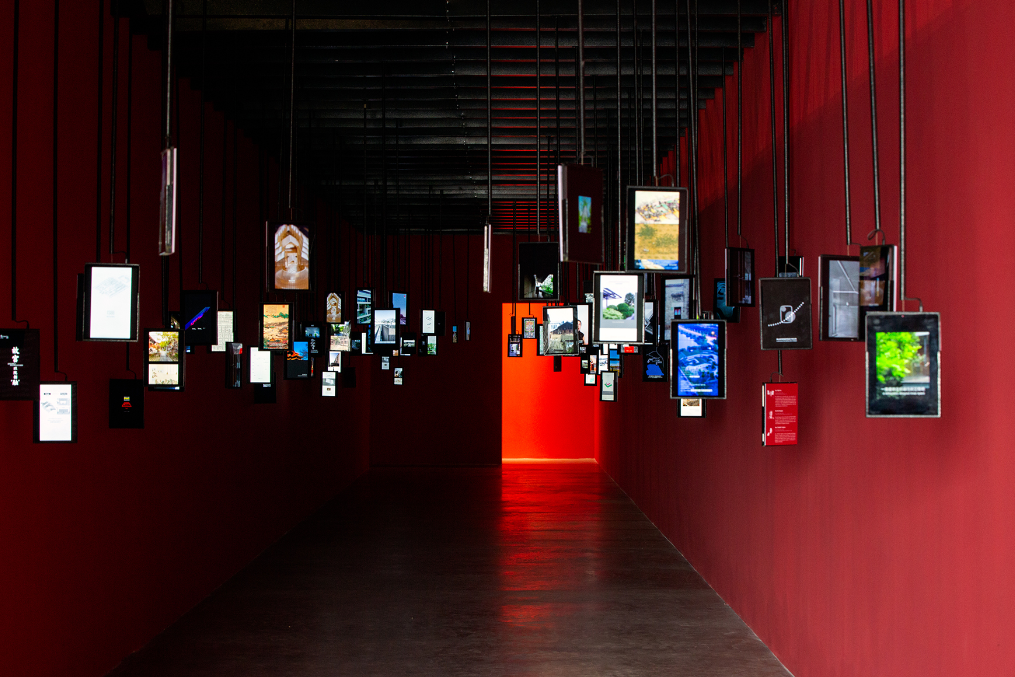
The China Room’s contribution consisted of three video-narratives related to the main topic of the exhibition, working on the concept of the courtyard not only as architectural typology but as a concept of living space. The work started from the courtyards of Beijing Forbidden City, seeing them as bounded “theaters” of human experiences. Moving to the Italian context, like Turin, courtyards are embodied by the historical piazzas: fluid sequences of open-closed visuals, urban courtyards for gathering and socializing. Finally, the work focused on the project in Shougang, Beijing, in collaboration with Tsinghua University, showing the challenge: how to open a former industrial factory to a new public function? The solution brought together the idea of a living courtyard, a container of human experience, with the urban courtyard, in terms of fluidity of movement in the city. The result was a roofed courtyard on the ground floor, engaging people in open-air activities and opening up to the community as a public courtyard.
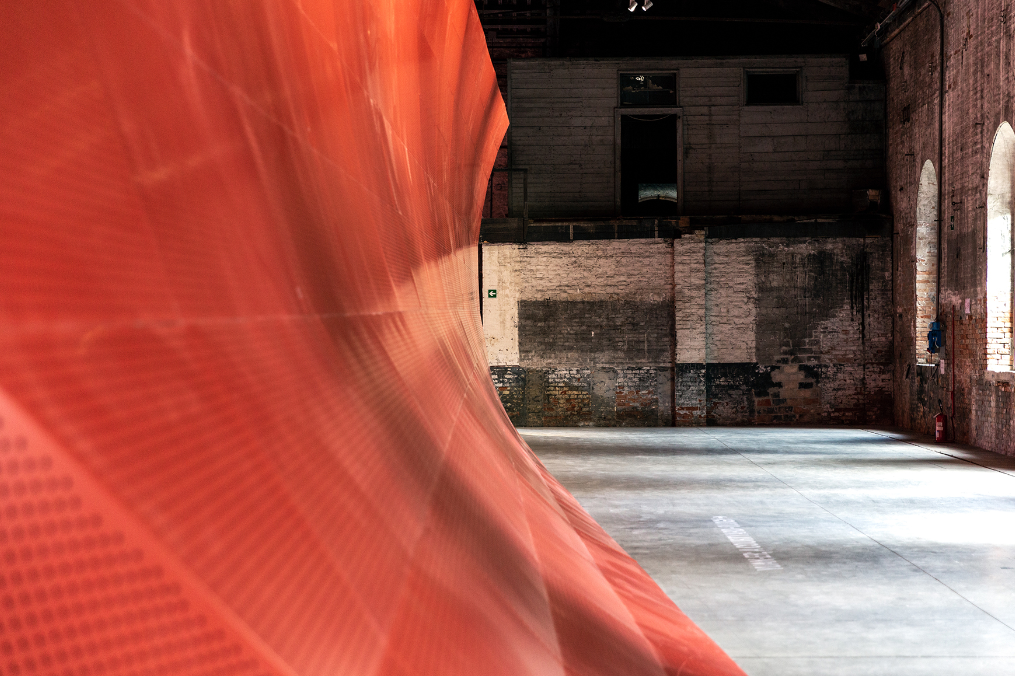
The Shougang project, displayed in the Chinese Pavilion at the Biennale di Venezia among relevant Chinese architects and researchers, represented a milestone achievement for China Room. The video narratives joined the many other voices collected in the “Together We Learn” section of the Pavilion, where the concept of the “yuan-er / courtyard” has been explored as a collective force embedded in architectural design. This result ties the institutional relations raised since the China Room’s establishment and the connection within the contemporary Chinese architectural debate, where human-centered design development became a methodological and critical point of view. That aspect acquired a more profound significance considering the main title, “How We Will Live Together,” selected for Biennale di Venezia 2021. The development of the on-site supervision for the China Pavilion raised unexpected values for the China Room research team, playing the role of operative bridge between China and Italy, conjugating cultural and academic institutions around research topics within an overseas framework.